Adding Barb Cord or Protection Mesh: Safety and Compliance
Barb cable and safety and security mesh are tools, not decorations. Done right, they discourage breaches and help you regulate gain access to. Done incorrect, they produce a fast-moving injury trouble for renters, visitors, contractors, and also your own upkeep staff. And if you believe conformity is "simply documentation," you are currently behind, due to the fact that the safety and security threats appear first and the legal direct exposure follows.
I have enjoyed good fencings go laterally when somebody includes safety functions late in the project, without considering just how individuals really walk around a site. The guardrails exist, the articles are strong, evictions lock. Then a roll of barb cord gets mounted along the incorrect edge, at the wrong height, or without a safe tensioning plan, and suddenly you have lacerations, responsibility cases, and a fence that looks daunting yet fails its actual job.
This is a safety and security and conformity topic spruced up as an install work. Treat it like one.
Where the genuine risk shows up
Barb wire and mesh produce hazards in 3 stages: setup, daily direct exposure, and emergency situations.
During installation, the major threats are cuts, leaks, eye injuries, and falls. Barb cable is unrelenting. It captures gloves, slides under a device, and breaks when tension is launched. Protection mesh has sharp edges at cut factors and can snag clothing. If you have ever before seen a specialist "just trim it quickly," you understand just how that develops into a journey to urgent care.
During everyday exposure, the dangers are typically less remarkable but more constant: an upkeep worker getting to past the top rail, a youngster climbing a fencing line, a distribution vehicle driver opening up a gateway and brushing the cable, or wildlife getting in touch with the mesh and triggering damage that you do not observe till it develops into a gap.
In emergencies, the threats worsen if the fencing interferes with evacuation, fire department gain access to, or rescue courses. Even if your site is not a high-rise, neighborhood fire code and basic life safety expectations frequently require that access points and egress courses continue to be usable. A "more powerful fence" can mistakenly minimize safety and security if it blocks accessibility or develops complexity threats around entrances and corridors.
If your fence line sits near a pathway, a car parking lane, a shared street, or a location utilized by deliveries, the security tale comes to be bigger than your building border. Your next-door neighbors, vendors, and neighborhood officials will certainly see what you set up, not what you intended.
Barb wire vs safety and security mesh: deterrence is not the same as safety
People generally lump these with each other as "protection upgrades," but they behave differently.
Barb cable creates a slim, high-stakes hazard. It is effective at preventing climbing since it penalizes call. That exact same attribute makes it harmful if the cable is exposed where individuals need to function, pass, or accessibility gates. Barb wire also requires mindful tensioning and alignment. A sagging run can be worse than no barb cable in any way due to the fact that it develops a reduced contact point that is simpler to reach, get, or stumble into.
Security mesh, on the other hand, is more forgiving in day-to-day contact if sides are ended up properly, but it presents its own danger: sharp wire ends, outcroppings at overlaps, and harmed mesh that creates a "grab and cut" surface area. If the mesh is installed over rough mounting or without correct tension, the fence can bow and produce new grips or spaces that undermine deterrence.
A useful regulation I follow: if the upgrade will be visible and obtainable from a public or shared area, you create for contact and clean-up, not just for deterrence. That means regulated edges, risk-free heights, entrance assimilation, and upkeep access.
Compliance is local, and "basic" is not a plan
Compliance is where several fencing contractors and fence firms get burned, not due to the fact that they are careless, yet due to the fact that laws differ by jurisdiction and by home type. Building codes, zoning policies, public right of way needs, and fire and life safety stipulations can all influence what is enabled and just how it needs to be installed.
Also, "conformity" can imply greater than federal government policies. It can consist of lease obligations, facility standards, company plans, and insurance policy demands. Also if a local statute allows barb wire, your insurance company may want restrictions on positioning near public gain access to factors, on gateway procedure, or on how the product is maintained.
The most safe strategy is to treat your compliance job like part of the install, not something you do after a next-door neighbor calls.
Here are the inquiries I would certainly address prior to any individual spreads out cable:
- What code set and authority apply to this site (city or region statute, building code, fire code, and any property-specific policies)?
- Who will certainly have reputable accessibility to the location inside and outside the fence (team, specialists, deliveries, the public, residents)?
- Where are the gates, emergency access points, and any type of upkeep walkways relative to the barb wire or mesh edges?
- How will certainly you keep it over time if the fence shifts, wears away, or obtains harmed by climate or impacts?
- What does your insurance company or home policy require beyond neighborhood minimums?
This might sound like a whole lot, but it stops the most awful scenario: a fence that looks "protected" on day one and becomes a fight on day thirty.
Safety preparation before the first cut
A barb cord or safety mesh upgrade frequently touches existing fence posts, rails, bracing, and gate equipment. That issues since older fences can be structurally "half best." Messages may be plumb however small, rails may be somewhat out of alignment, and supporting might have been adequate for chain link however not for brand-new tension loads.
Before setup, confirm the fencing system can handle the adjustments. Barb wire adds stress across the run, and mesh might transform wind loading and tension factors if it is thicker, tighter, or installed over a modified frame. If the fence line is currently at its restriction, wood fencing the "security upgrade" can develop into a structural and safety failure.
Also inspect the surface conditions around the fence line. If there are landscape design blocks, uneven grade, or drain issues, cable can end up at irregular elevations. That disparity is where injury happens, since the elevation you thought in your layout is not the height somebody encounters on a slope.
From the security side, prepare for:
- Personal safety equipment for cutters, installers, and any person nearby. Cuts around cable prevail, so eye security and gloves are non-negotiable.
- Safe handling and tension release so barb wire does not break unpredictably.
- Traffic control if the website has pedestrians or automobiles near to the job zone.
- Debris management Cut cable ends and trimmings do not stay where you drop them. They travel into crushed rock, grass, and boot treads.
When fencing contractors avoid the "monotonous" work of taking care of threats around the work area, the injury risk multiplies. It also increases responsibility danger, because a person can later on say the site was not controlled.
Height, sides, and where people in fact touch things
For barb cord, height and alignment are not cosmetic details. If the wire is installed where individuals have to get to, lean, or pass, the danger becomes an everyday occasion. If it is placed to make sure that it is contactable from ground level or surrounding frameworks, it quits being deterrence and starts being an injury machine.
For security mesh, the safety and security concern usually originates from the boring stuff: cut points, twisted cable ends, loosened tie-offs, and protrusions at edges. If the mesh is not tensioned effectively, it can droop and produce reach points that were not intended.
Two design concepts minimize danger in nearly every setting:
- Keep dangers out of the paths of routine human use. If an entrance requires to be operated by personnel, stay clear of placing barb cord so it forces contact during procedure or maintenance.
- Finish every cut edge and overlap. Sharp ends are an avoidable trouble. If your installer deals with sharp ends as "sufficient," a person will certainly feel it later.
If you are working near locations used by children, visitors, or delivery team, presume contact is more probable than you desire it to be. Your work is to make the fencing immune to misuse, weather condition, and human mistake, not resistant just to your suitable scenario.
Gates, accessibility control, and emergency situation realities
Security upgrades typically stop working at gateways. People concentrate on fencing runs and neglect that gateways are where interaction takes place. An entrance likewise comes to be a focal point for upkeep and emergency situation access.
When you integrate barb cord into a gateway area, you need to plan how the cord changes from fencing line to entrance structure. If the wire ends near a joint, lock location, or operating handle, you can develop a grab point or an injury danger throughout operation.
Similarly, with safety mesh, the method the mesh connections right into entrance frameworks matters. Loosened tie cables and incomplete changes can produce sharp points right where your hands are more than likely to be.
Emergency factors to consider are not academic. Firemans, clinical -responders, and various other emergency situation workers require to access the residential or commercial property promptly. A fence upgrade that adds complexity hazards near entrances or accessibility passages can complicate rescue. Even if your fencing is compliant, bad positioning and poor changes can still reduce response and rise threat to every person on scene.
Treat entrances like the operational facility of the system, not an afterthought.
Maintenance is the conformity multiplier
A fence is not an one-time install. It is a property that ages. Barb cable wears away, tension adjustments, and impacts occur. Fit together warps or rips where wind captures it. Posts change a little with freeze-thaw cycles or lorry hits.
This is why upkeep plans are not simply great practice, they are part of liable compliance. A fencing company that mounts protection features however does not have a prepare for maintenances is establishing the consumer up for "silent failure." Injuries usually take place when damage produces a new hazard, like a busted tie-out that lets cable finishes protrude.
Operational truth: most websites do not catch fencing problems right away. Somebody sees the issue when it is currently recognizable. That can suggest an extending cable, a gap large enough for gain access to, or a droop that puts barb cord at an unexpected height.
Your upkeep plan must specify inspection frequency based upon direct exposure. A site near a highway with car website traffic may require extra constant checks than a secured yard. After tornados, examine early. After influences, evaluate immediately.
Documentation and responsibility
In numerous disputes, what you did is less important than how plainly you can show it. If you are a fencing contractor or a fence company, your paperwork can matter when someone claims the installation was harmful or noncompliant.
I recommend treating documentation as part of the task, not a shuffle after the truth. Maintain documents that show where the products were installed, what hazards were controlled, and what authorizations were acquired before work began.
Here is a concentrated documentation list that helps in actual insurance coverage scenarios:
- Permits and approvals appropriate to the alteration, consisting of any type of written conditions from neighborhood authorities
- Product details for barb wire and mesh, consisting of density, surface, and any relevant installation specifications
- Site photos before, during, and after setup, particularly at corners, changes, and gates
- Inspection notes showing tension, positioning, which cut edges were ended up safely
- Maintenance support offered to the property manager with assessment activates and repair service expectations
This is particularly important if you are helping a property manager, town, or commercial customer where several parties share responsibility.
Trade-offs you need to handle, not ignore
Adding barb cable or protection mesh is rarely a "free upgrade." You trade one collection of threats for an additional. The technique is to choose the compromise that matches your site and your users.
Deterrence vs injury risk
Barb cord hinders climbing up, however it elevates the injury risks if the cord is put where people get to. If the border is near genuine human activity, you require a more regulated technique, frequently entailing mindful height placement, controlled transitions, or options to guide barb placement in high-contact zones.
Strength vs structural strain
More tension can reinforce deterrence, however it also increases lots on articles and rails. If your existing fence is limited, the added stress can increase failing. I have actually seen edges that looked fine till the brand-new tension exposed weak bracing. Then you are reworking the framework, which costs more and creates extra security dangers during reinstallation.
Visibility vs liability
A fence that looks frightening can be reliable, however visibility likewise implies examination. Next-door neighbors see, regional authorities inspect, and case records obtain filed. If anything goes wrong, your setup choices will be analyzed very closely. That is not be afraid, that is just how conflicts work.
Security vs access
More security can reduce gain access to for legit functions too. If team can refrain regular work safely, they will prevent the location, and then little troubles end up being large ones. A fencing that is difficult to keep comes to be a risk by neglect.
These compromises should be reviewed in advance, prior to the consumer indicators off, prior to the materials show up on site, and before the fencing team starts opening up boxes.
Real-world circumstances I've seen go wrong
I will certainly maintain these generalised, yet they mirror patterns that turn up throughout several projects.
On one residential property, barb wire was included along the leading line but not incorporated easily near a gate. The cord finished near the latch side, and the upkeep employee got lapped and capped fence installation a leak the very first week due to the fact that the gate take care of needed get in touch with near the transition factor. The fix was not just cutting the barb cable, it was redesigning the shift so the cord ended at a protected factor and the operating area stayed clear.
In an additional case, security mesh was set up over an older frame without validating tension and bracing adequacy. After a few gusty days, the mesh loosened up a little, and sharp edges extended where the mesh shifted. The fencing did not fall short catastrophically, yet it produced enough threat to stop normal foot traffic along the line. The "protection upgrade" ended up being a safety closure till repair services were completed.
And after that there is the compliance catch: a property owner thought that since "similar fencings exist close by," the installation would serve. The work was finished, then tested by an authority after examination. The resolution needed reconfiguration, consisting of modifications to placement and exactly how the fence interfaced with nearby residential or commercial property access. The genuine price was time, not just materials.
These aren't horror tales to scare you. They are foreseeable results when safety and security and compliance are treated like final constraints.
Practical assistance for picking an approach
If you are determining whether to include barb wire, button to safety and security mesh, or utilize a crossbreed system, concentrate on your perimeter realities.
Ask on your own what you are attempting to avoid. Is it trespass, burglary, criminal damage, or unapproved access to a certain location? Various risks require different layout choices. A fence line near a regulated center usually endures specific arrangements that would certainly be inappropriate near public foot traffic.
Also take into consideration whether the home has inner access paths, personnel hallways, or maintenance requires along the fencing line. A "safe" fencing that catches workers right into harmful settings is not absolutely secure.
Finally, involve individuals who will cope with the fencing after the team leaves: the residential or commercial property supervisor, upkeep lead, safety staff, and any normal professionals. They recognize where get in touch with takes place and which parts get utilized every day.
That is just how you avoid the classic mistake: installing protection attributes that develop brand-new, preventable injuries.
Working with fencing contractors and a fencing company
If you work with a fencing contractor or work with a fence company, assess them on the procedure, not just the prices. The most effective teams plan the safety and security regulates before materials are opened up. They verify architectural capacity, strategy transitions at entrances and corners, and comprehend that compliance is local and documented.
A crew that shows up with cord, tools, and self-confidence is not enough. You desire a team that can chat with risk controls, maintenance assumptions, and exactly how the setup will look at human touch points.
If you are in a role that defines job, request clear range language. Make sure it defines where barb wire or mesh goes, how edges will be ended up, how gates will certainly transition, and what inspection and cleanup obligations come from the installer.
And if somebody stress you to "just get it done" without authorizations or without clearing up placement, stop. Safety and security upgrades are not a rush task. They are a safety and security system.
The base line
Barb wire and security mesh can be genuine safety and security measures, but they bring genuine dangers if they are mounted without major interest to positioning, transitions, upkeep, and local policies. Conformity is not a rule, it is the guardrail that keeps deterrence from becoming harm.
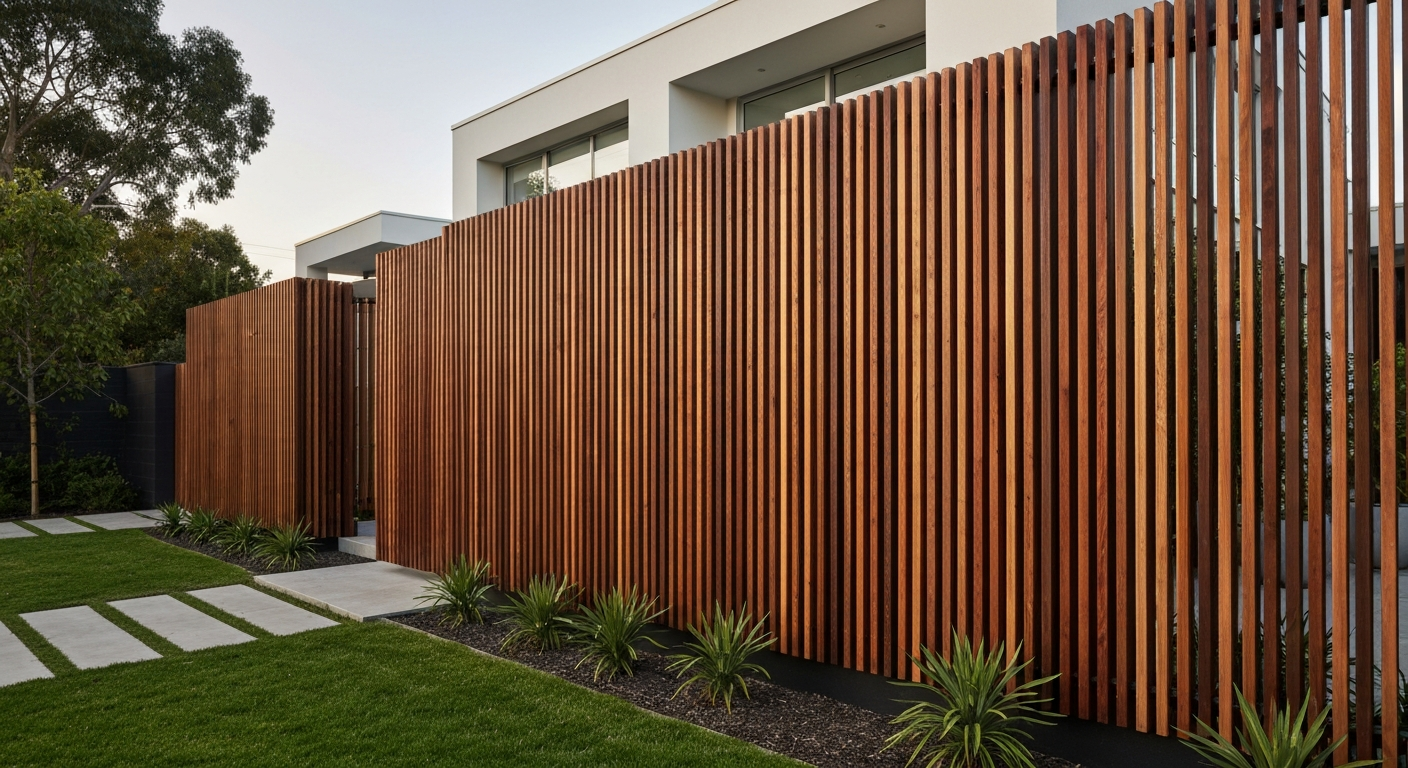
When you intend the task with the way individuals move a website in mind, you end up with a fencing that does what it should. It withstands invasion, it stays manageable, and it does not hurt individuals who need to function near it.
If you want, tell me the residential property type and the border context, for example household vs business, near walkway vs interior yard, and whether you are updating an existing fence or starting fresh. I can help you think through the safety and conformity variables that usually matter many because specific setup.